
Website, CRM & Brand Films
A landscaper's whole front end, drawn to scale.
BDS moves earth: grade, drainage, walls, terrace, turf and planting. We built the site that sells it, the office that carries a lead from the first phone call to a paid receipt, and four films that show the work.
The challenge
A landscape installer's strongest argument is the property before they started, and almost nobody keeps it. Work gets sold on a phone call and a few photos buried in a Facebook feed, estimates live in a notebook, and the job that would have closed the next three deals was never documented. The category's websites don't help either: script typefaces, watering cans and stock photography of somebody else's yard, all interchangeable.
The back office had the same shape. Software for this already existed and had gone largely unused, which is the normal fate of a tool built for a bigger company than yours. That set the bar for what we built, and the bar was never feature parity with the incumbent. It was that the people doing the work would actually open it on a Tuesday morning.
What we built
Three connected pieces: the site that sells the work, the office that runs it, and the films that show it.
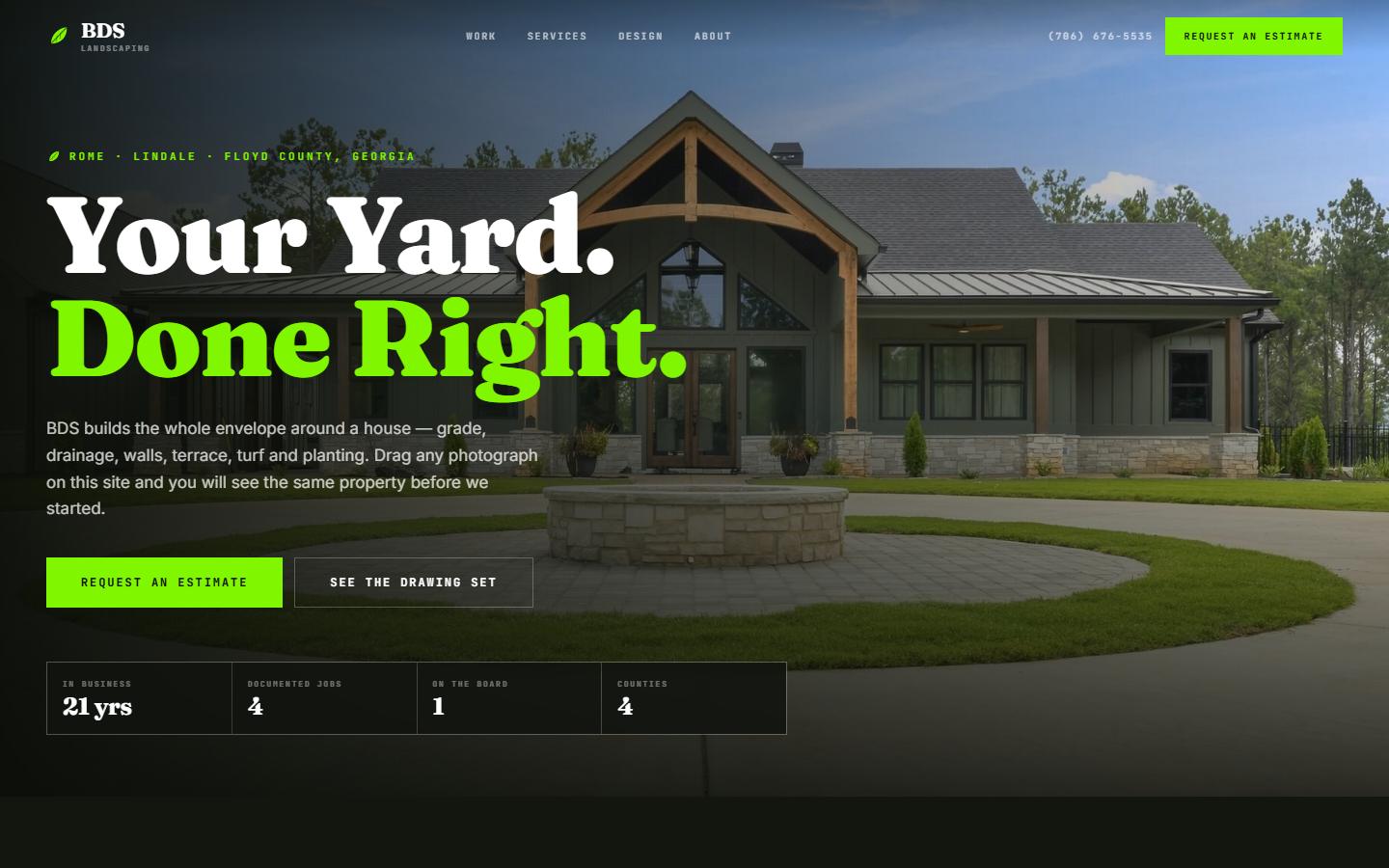
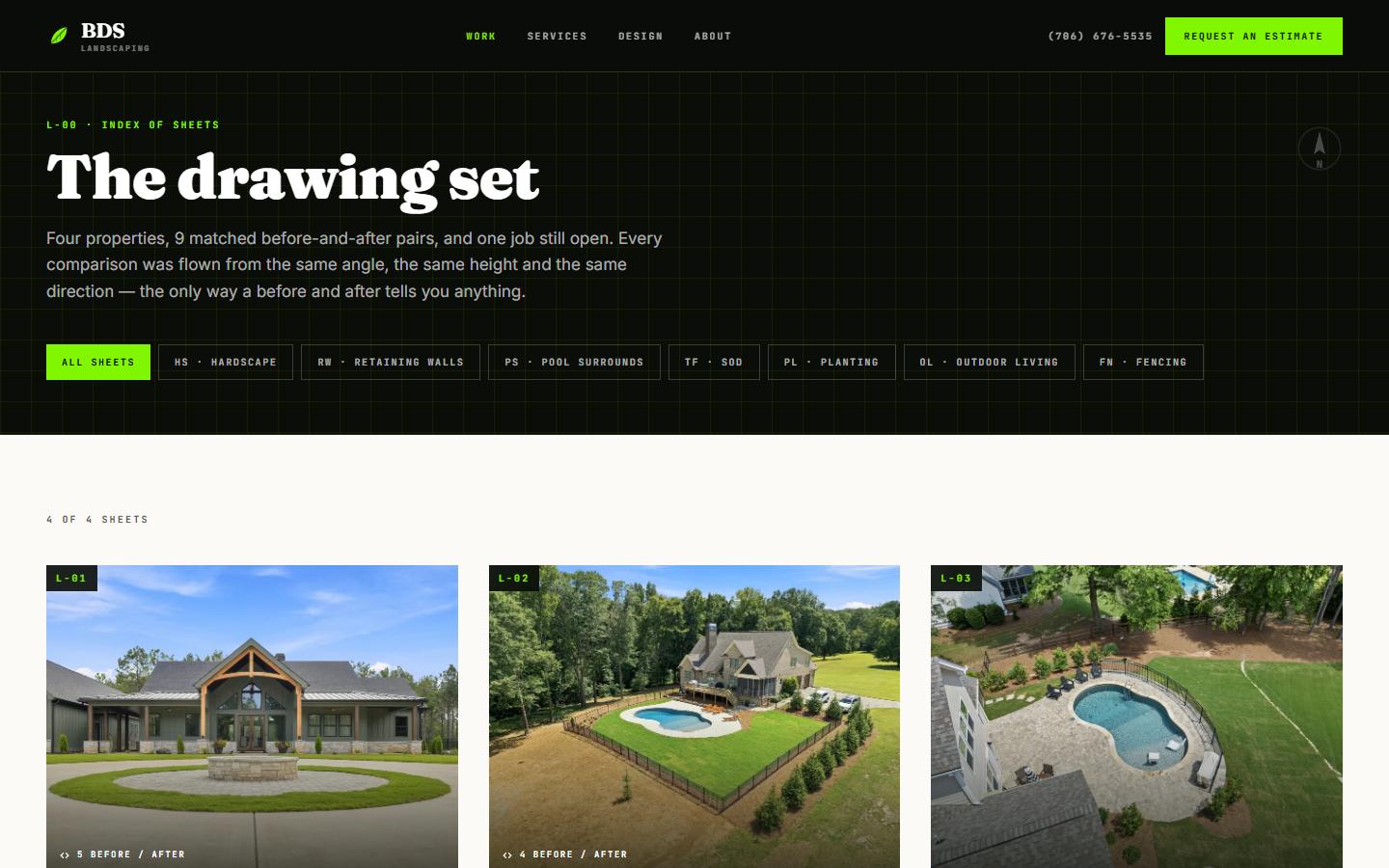
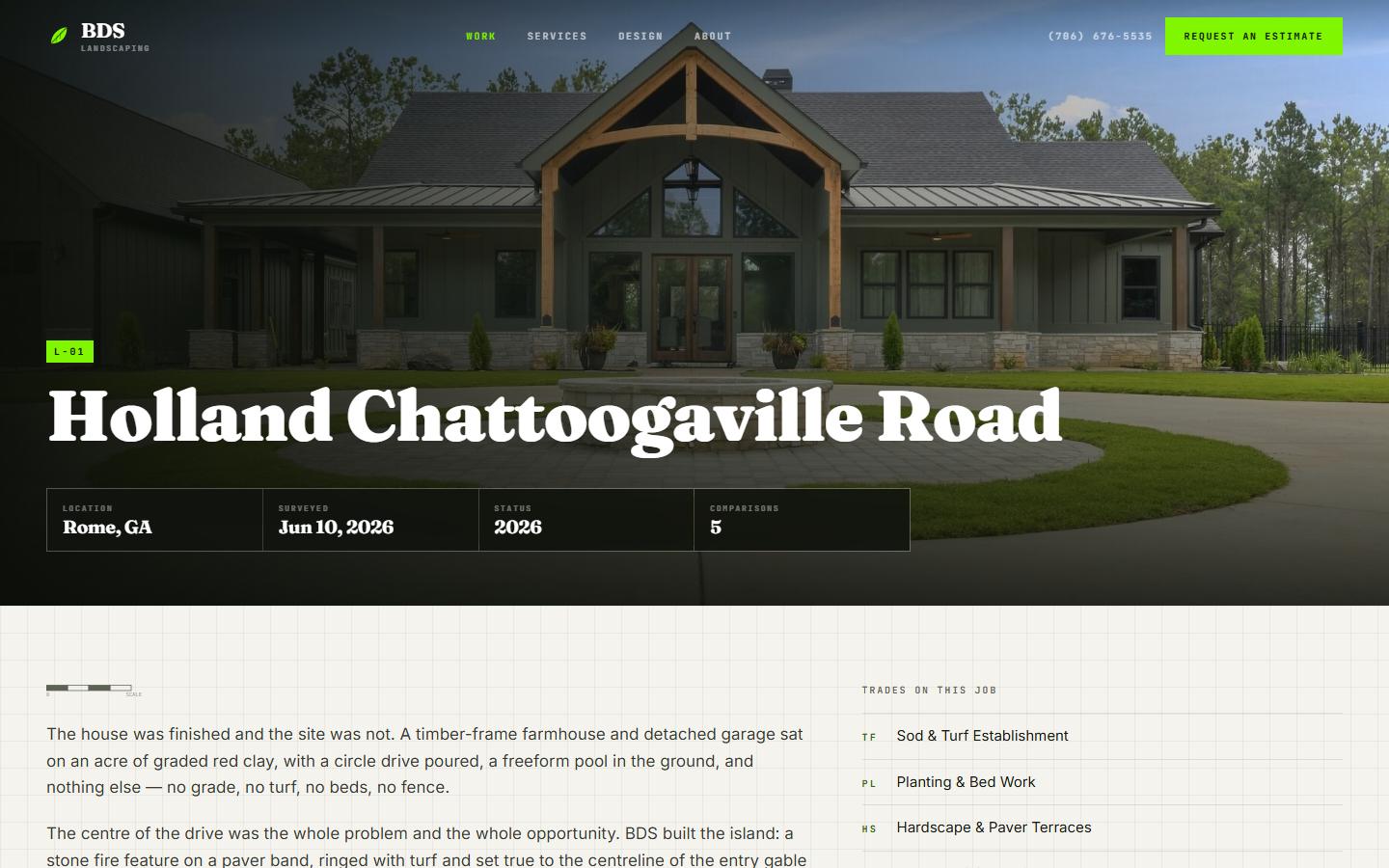
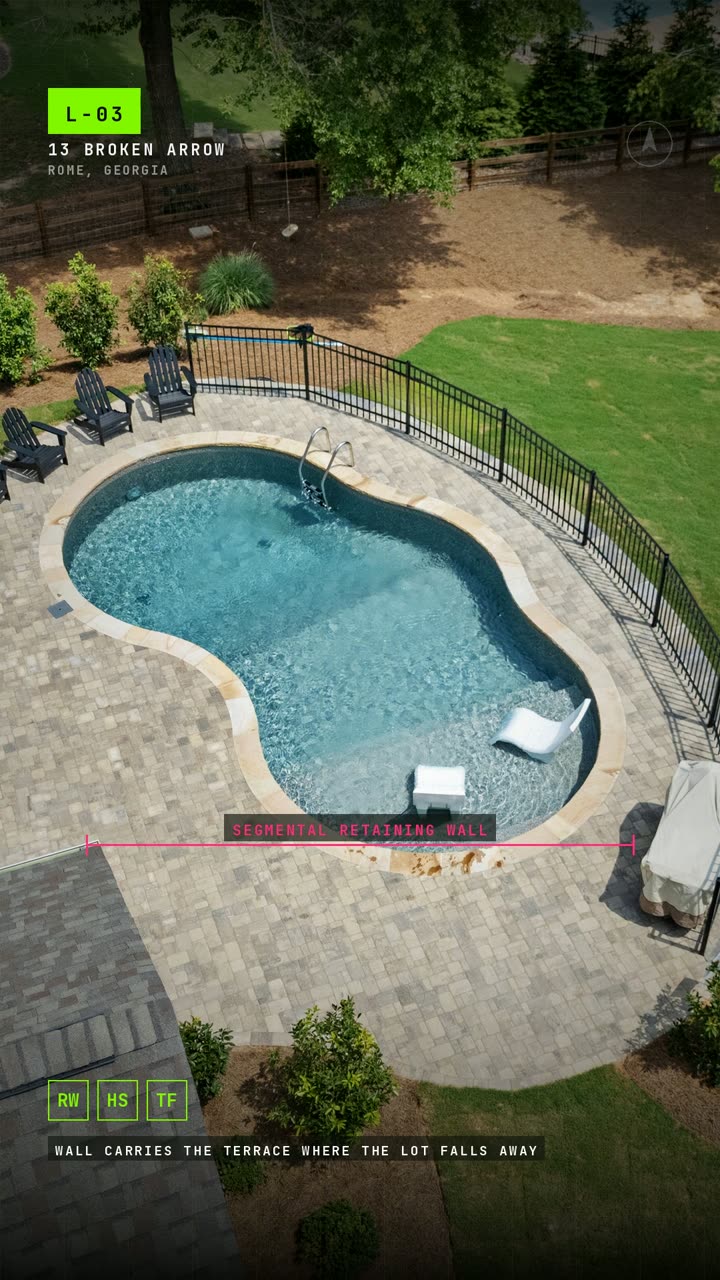
- A site built on the drawing set: sheet numbers, scale bars, north arrows, quantity takeoffs and a footer set as a title block, because BDS does grading and structure, not lawn care
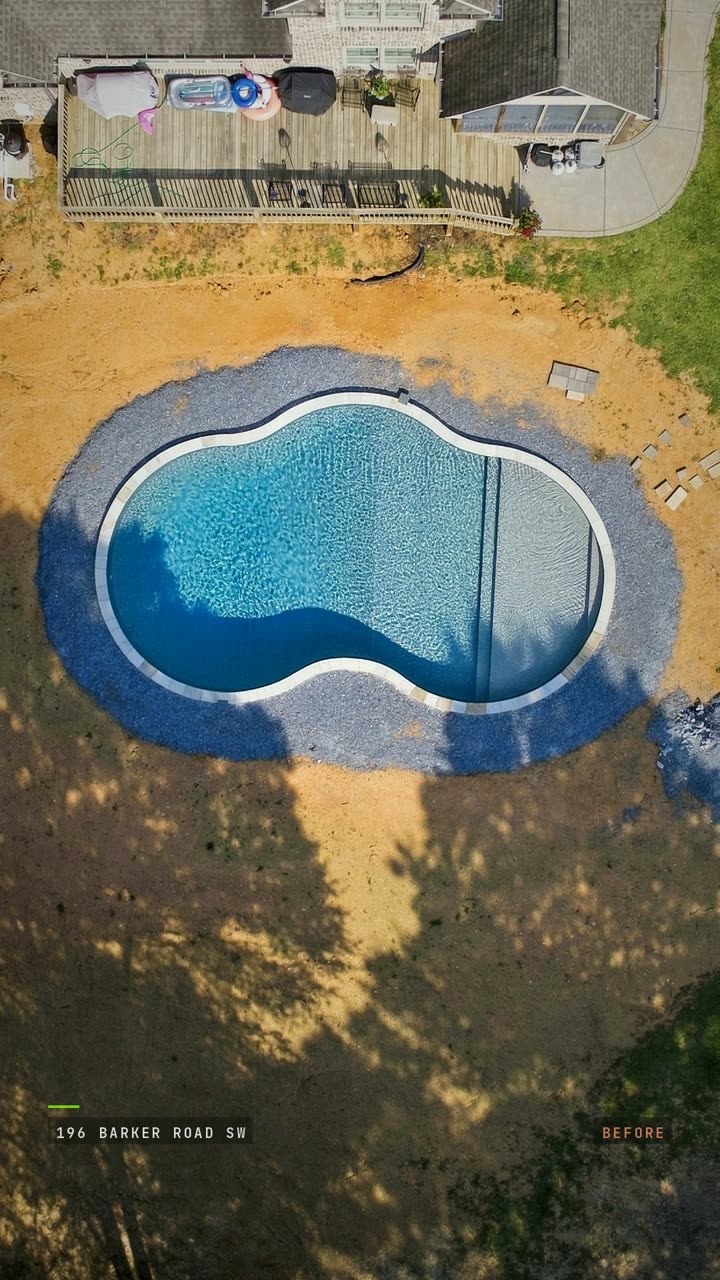
- Before and after on every project: drag any photograph on the site and you see the same property before the work started
- Two colors doing the whole job: a lime lifted from the BDS logo that only ever means finished, and a clay measured off the raw grade in the before frames that only ever means unfinished earth. A visitor learns the language in one drag and reads the rest of the site fluently
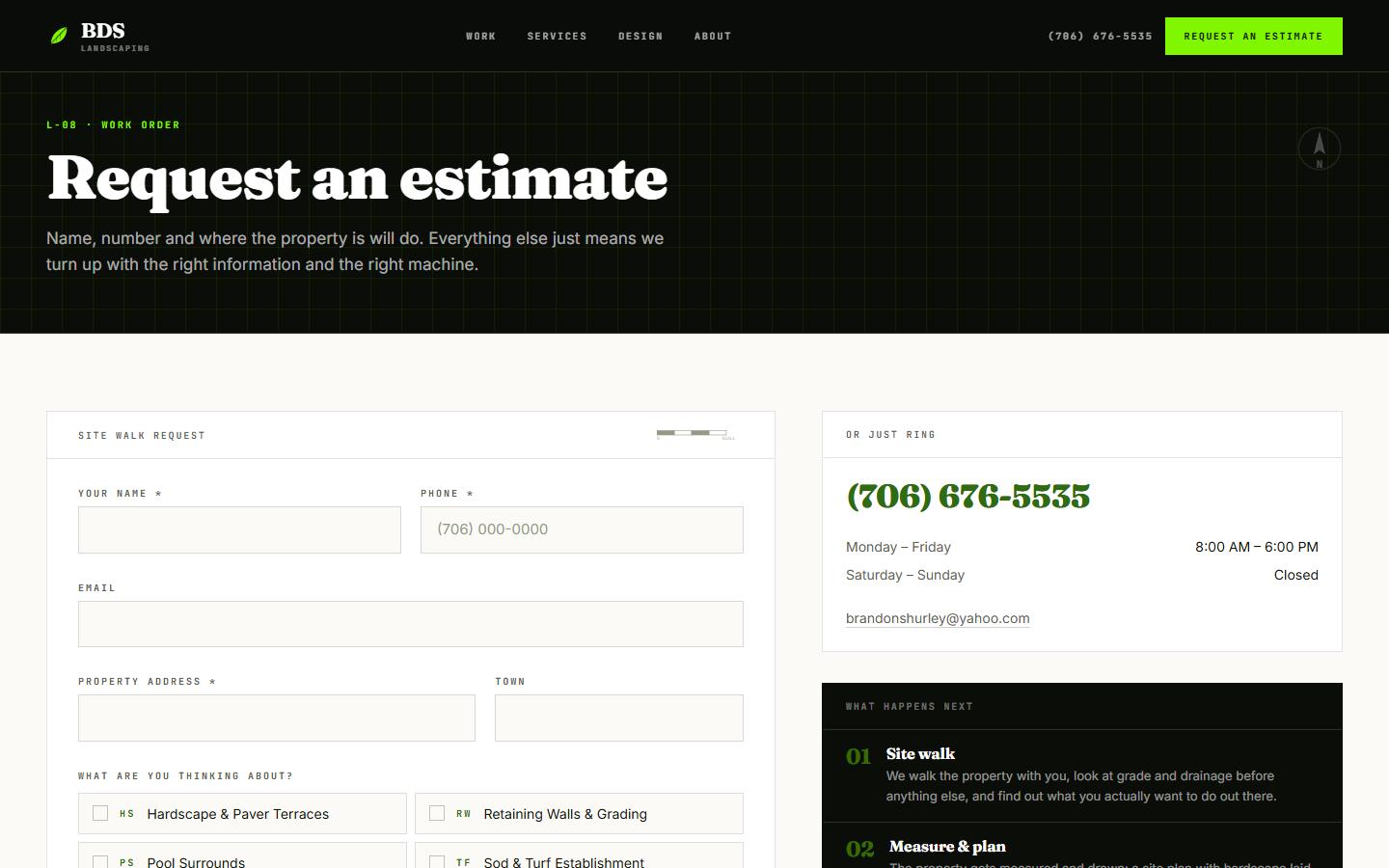
- An estimate request flow that captures the job in the visitor's words and lands it straight in the pipeline
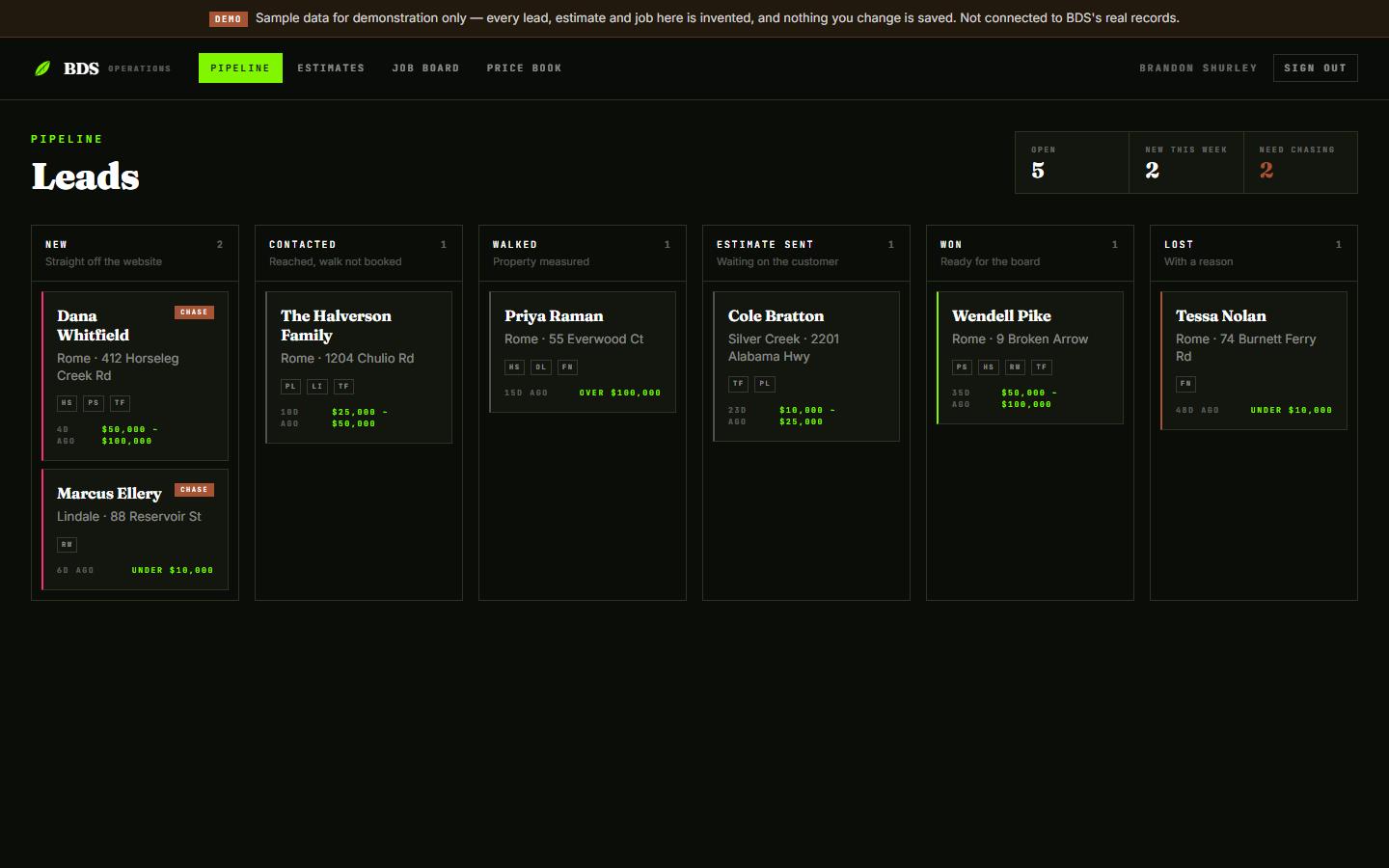
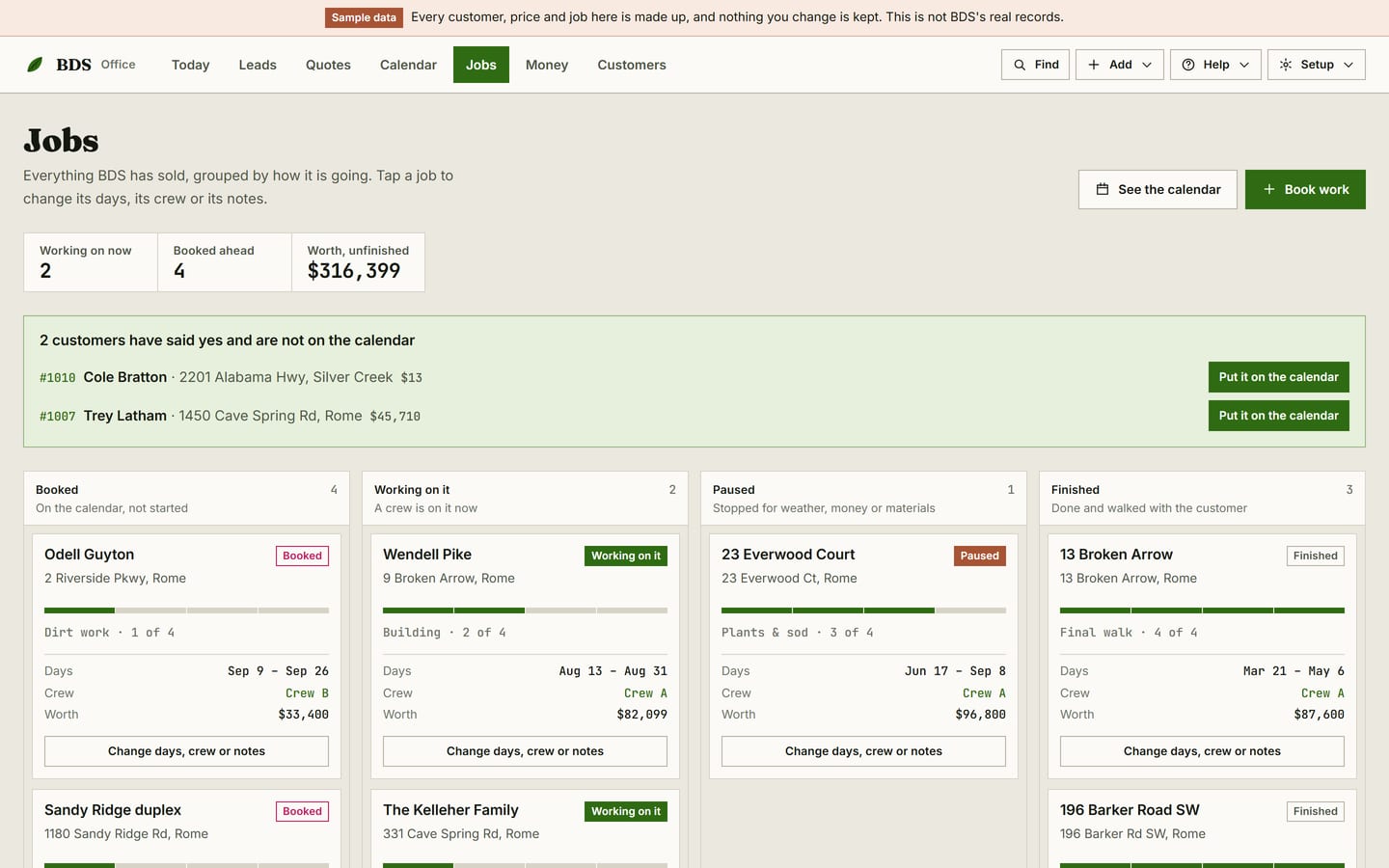
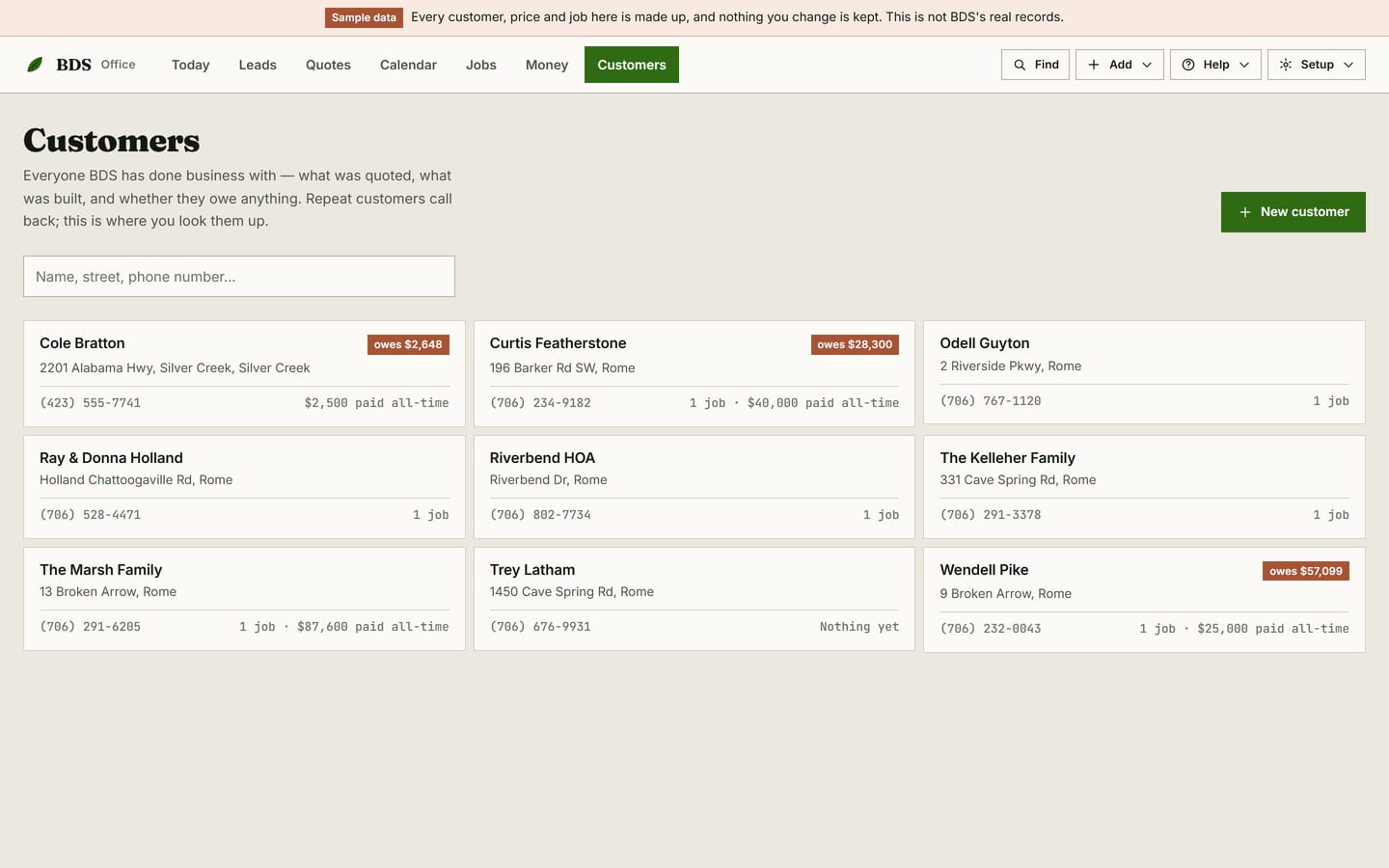
- A seven-screen office (Today, Leads, Quotes, Calendar, Jobs, Money and Customers) carrying a job from the first call to a paid receipt
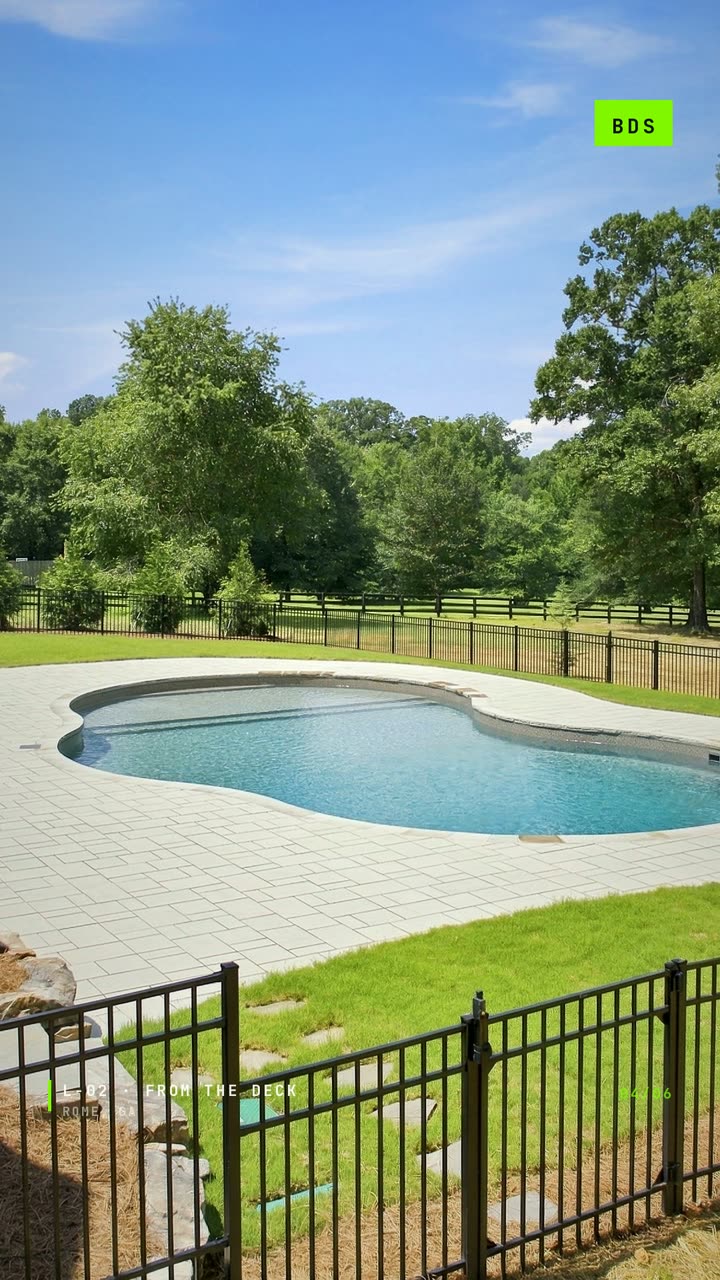
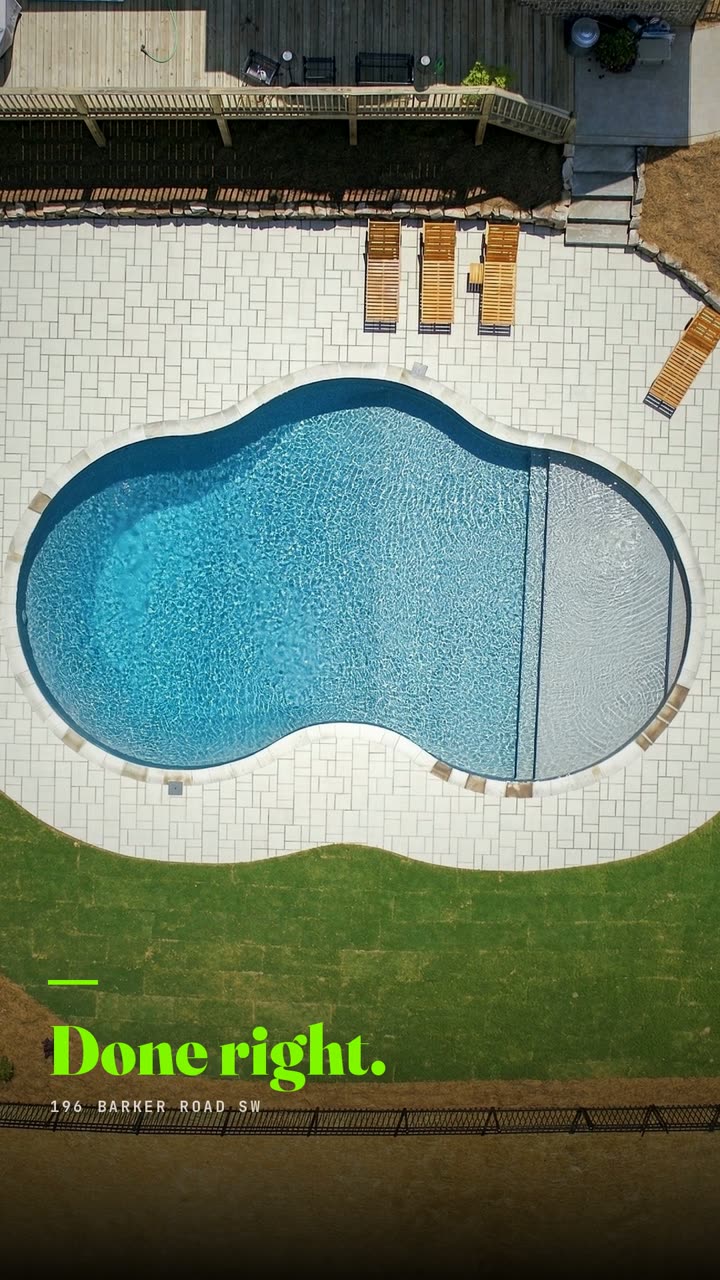
- Four brand films, deliberately different from each other rather than four edits of one idea: one shouts, one argues, one explains its own work like a plan set, one just looks
The office
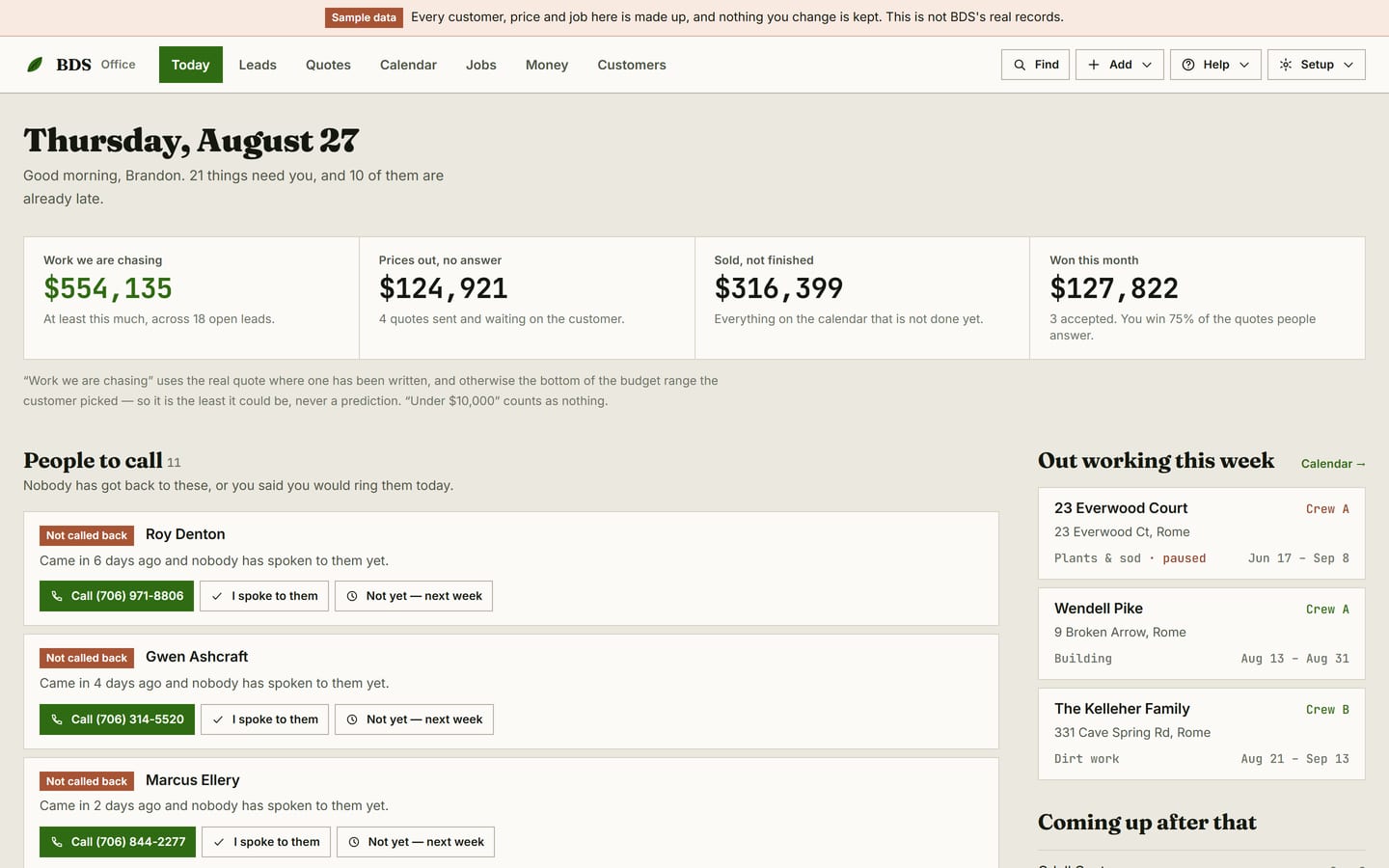
Seven screens, and the count is a ceiling rather than a starting point: every screen we were tempted to add had to displace one already there. The front page is Today, and it opens by telling the owner how many things need them and how many are already late, because a tool that opens on a blank dashboard gets closed again.
Underneath it: a six-stage lead pipeline (new, contacted, walked, estimate sent, won, lost), quotes built from a price book, a job board grouped by how the work is actually going, and a calendar with crews on it. The board keeps a panel for the case that quietly costs the most money: the customer who already said yes and is not on the calendar yet.
The arithmetic is deliberately conservative. "Work we are chasing" uses the real quote where one has been written and otherwise the bottom of the budget range the customer picked, so the number is the least it could be and never a forecast. An owner stops trusting a pipeline figure the first time it flatters them.
Money, and closing the loop
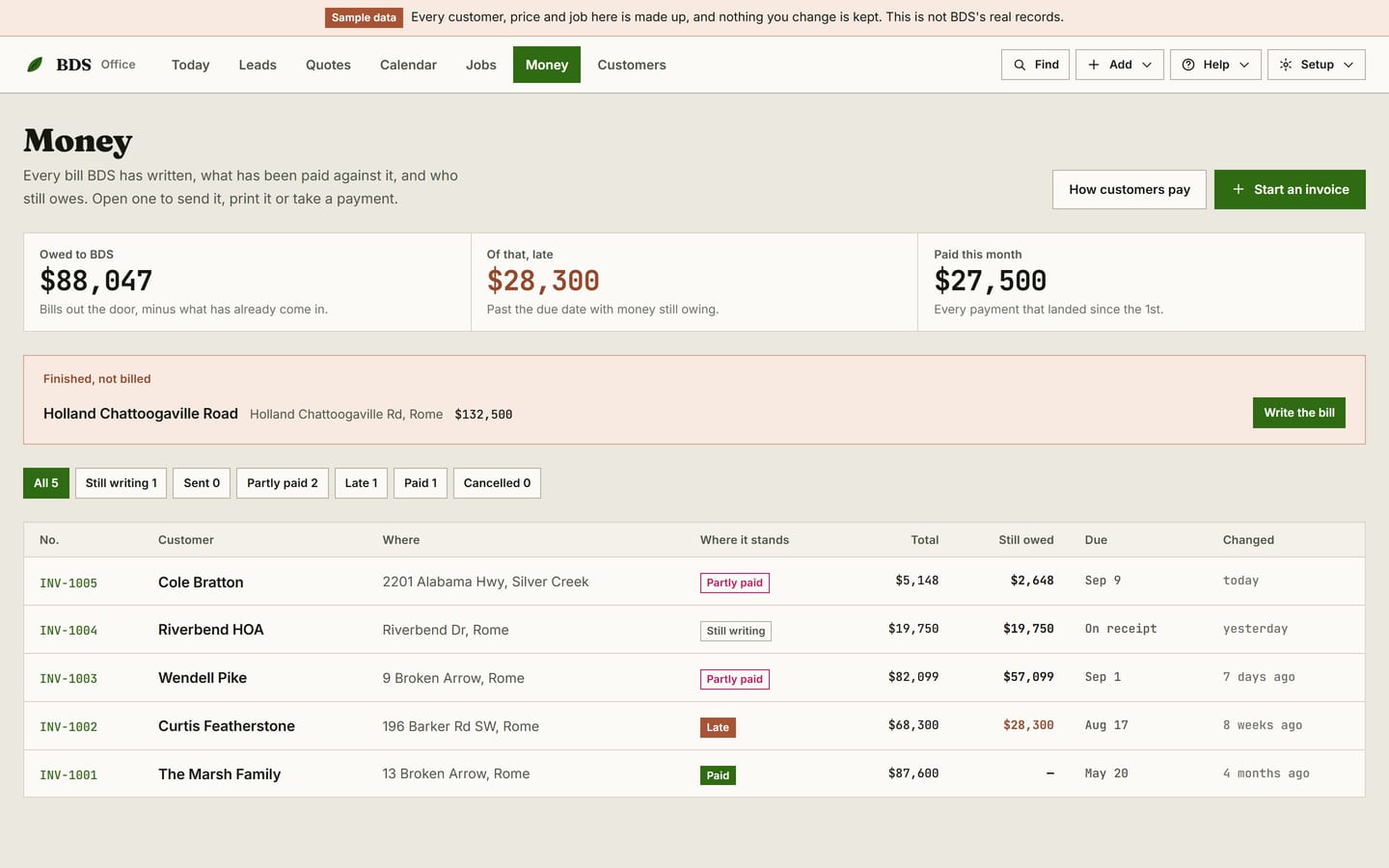
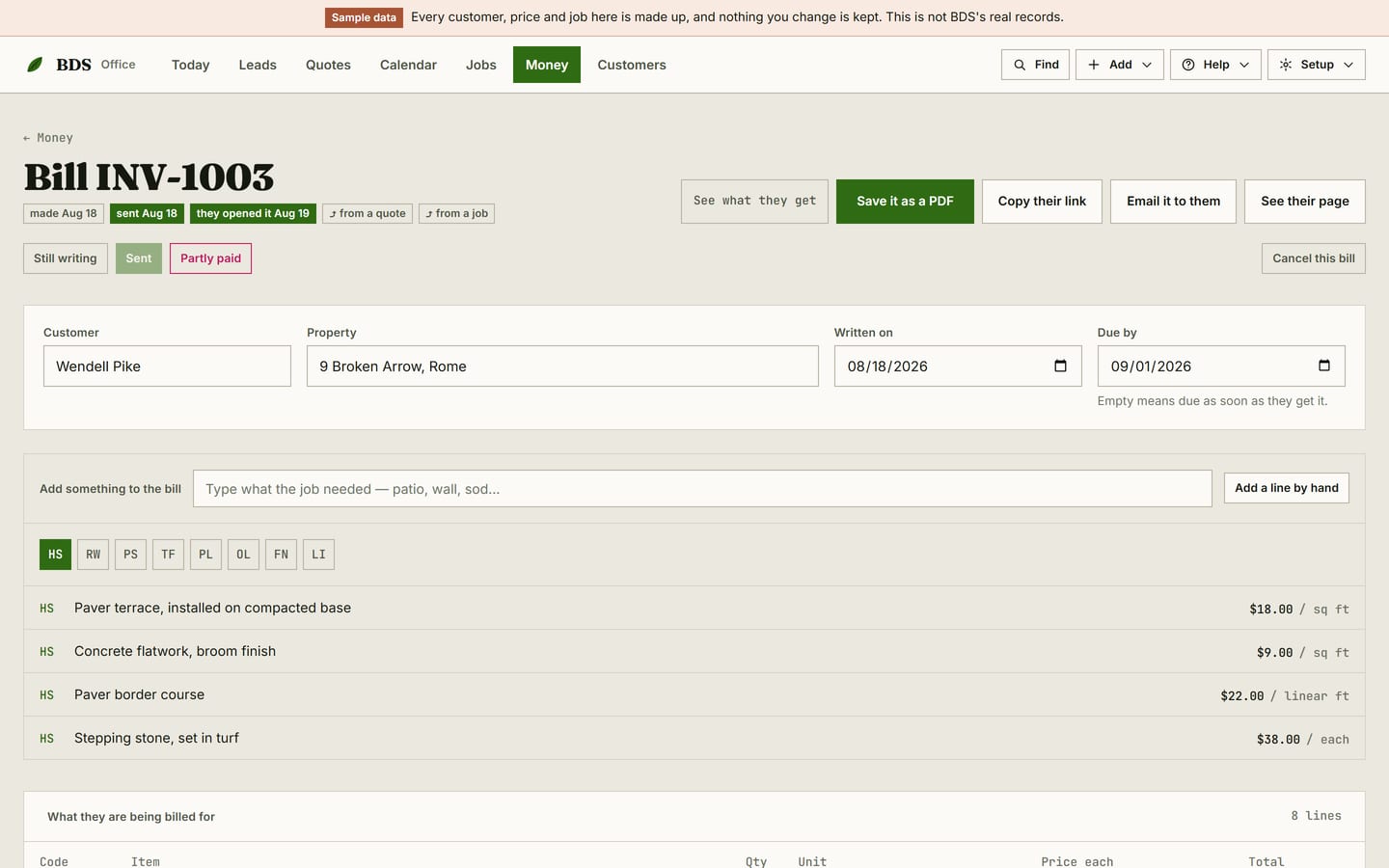
An estimate becomes an invoice as a straight copy of the accepted numbers, not a re-entry: invoices are shaped exactly like estimates, so converting one is a single transaction and the totals match the accepted figure to the cent. Convert the same estimate twice and you get the same invoice back rather than a second one.
Payments are partial by default, because a landscape job is a deposit and then a balance, not a single settlement. Each payment mints its own numbered receipt off its own sequence. The customer gets a plain link to their estimate, invoice or receipt (signed, expiring, and comparing its token in constant time), so nobody has to make an account to look at their own bill. A bill records when it was sent and when the customer opened it, which ends the "I never got it" conversation.
There is no card processing, on purpose. BDS is paid by check and transfer; the office writes the how-to-pay wording itself and records the payment when it lands. Taking cards is a decision the owner can make later, not a dependency we invented for them.
Two sets of hands
The owner and the front office see the same screens and do not have the same permissions, and that boundary is enforced in the database rather than in the interface. The office can do all the ordinary work of a day. It cannot change a price-book rate, move the margin on a quote, void a bill, or delete a lead, a job or a payment. Margin in particular is guarded by database triggers rather than page logic: a converted invoice is forced to the margin of the estimate it came from, so the customer is billed the number they accepted.
The public side is locked the same way. A stranger can lodge an estimate request and cannot read a single one back out. The write path is tested by a script that runs after any schema change, because "we checked once" is not a security posture.
Click through it yourself: open the CRM demo ↗. Pick the owner or the office and you're in. Every customer, price and job in it is invented and nothing you change is kept. BDS's real records are not on display, and every screen says so at the top.
Films that fit any track
The spots ship silent, with no empty audio stream, because BDS lays their own music. That means the cuts can't be synced to a waveform, so every edit lands on a fixed 100 BPM beat grid and durations are written in beats rather than seconds. A viewer reads cuts falling on a regular pulse as intentional, and almost any track at a related tempo locks straight to it. If they pick something at a very different tempo, the grid changes in one place and every cut in all four films moves with it.
The result
A landscape installer with a front end that matches the standard of the work: a site that proves the before-and-after instead of asserting it, an office where no estimate goes missing and every invoice traces back to the quote the customer accepted, and a set of films that can run on any channel with any music over the top. It's the same approach we bring to every custom website and sales platform we build for a trades business.
See it live: View the site ↗
A look at the site
Inside the office
Every figure, name and price in these screens is invented sample data from the public demo. A client's real records are never shown publicly.
The films
Four silent 9:16 spots, cut on a shared beat grid.
What we'd build for you.
Let's build something better.
Tell us what's slowing the business down. We'll tell you what we'd build to fix it.